Exterior Home Improvement Contractors Near Me: 10 Questions to Ask sets the stage for this enthralling narrative, offering readers a glimpse into a story that is rich in detail with casual formal language style and brimming with originality from the outset.
When it comes to enhancing your home's exterior, finding the right contractor is crucial. From researching contractors to understanding pricing and materials, this guide covers essential questions to ask before embarking on your improvement journey.
Researching Contractors
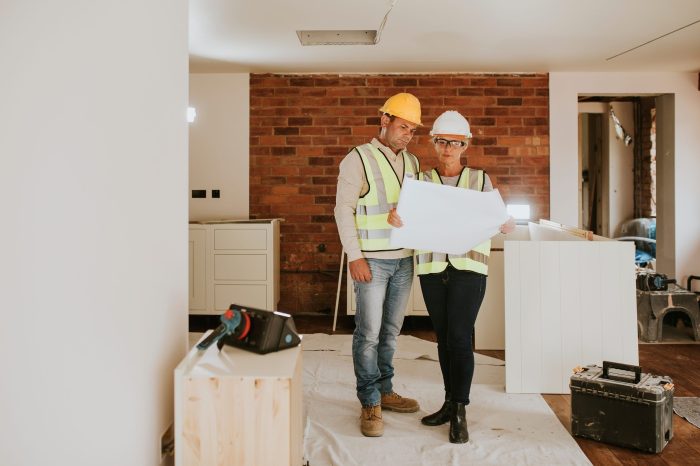
When it comes to finding exterior home improvement contractors near you, there are a few key steps you can take to ensure you hire a reliable and skilled professional.
Finding Contractors
To start your search, consider asking friends, family, or neighbors for recommendations. You can also look online on websites like HomeAdvisor, Angie's List, or Yelp to find contractors in your area. Additionally, you can check with local building supply stores or real estate agents for referrals.
Verifying Credentials and Licenses
Before hiring a contractor, it is crucial to verify their credentials and licenses. Make sure they are properly licensed and insured to work in your area. You can check with your state's licensing board or online databases to confirm their credentials.
Reading Reviews and Asking for References
Reading reviews from past clients can give you insight into the contractor's work quality and professionalism. Additionally, ask the contractor for references from previous projects to get a firsthand account of their work ethic and results.
Websites for Finding Local Contractors
HomeAdvisor
A platform that connects homeowners with local contractors and provides reviews and ratings.
Angie's List
A website where homeowners can find and review local contractors.
Yelp
A review website where you can search for contractors and read feedback from previous clients.
Asking About Services
When looking for exterior home improvement contractors near you, it is crucial to inquire about the range of services they offer to ensure they can meet your specific needs. Understanding the difference between general contractors and specialists in exterior home improvements can help you make an informed decision.
It is also important to clarify the specific services included in the contract to avoid any misunderstandings. Additionally, asking about warranties and guarantees for the work done can provide you with peace of mind and assurance of quality.
Range of Services Offered
- Ask the contractor about the specific exterior home improvement services they provide, such as roofing, siding, windows, doors, or landscaping.
- Inquire if they offer any additional services like painting, deck installation, or outdoor lighting.
- Check if they can handle both small repairs and major renovations to meet your needs.
General Contractors vs. Specialists
- Understand the difference between a general contractor who offers a wide range of construction services and a specialist who focuses solely on exterior home improvements.
- Consider the expertise and experience of specialists in specific areas like roofing or siding for more specialized projects.
- Determine which type of contractor would best suit your project requirements and budget.
Specific Services in the Contract
- Request a detailed breakdown of the services included in the contract, including materials, labor, permits, and cleanup.
- Clarify any additional charges for unforeseen repairs or changes to the initial scope of work.
- Ensure that all verbal agreements are documented in writing to avoid disputes later on.
Warranties and Guarantees
- Ask about the warranties provided for materials used in the project, such as roofing shingles or windows.
- Inquire about any guarantees for the workmanship and how long they are valid for after the project is completed.
- Understand the process for addressing any issues covered under the warranty and how to request service or repairs.
Pricing and Estimates
When it comes to exterior home improvement projects, understanding pricing and estimates is crucial in order to plan and budget effectively. Here, we will delve into the process of obtaining quotes, factors influencing costs, tips for comparing quotes, and negotiating pricing and payment schedules.
Obtaining Quotes and Estimates
Getting quotes and estimates from contractors is typically a straightforward process. You can reach out to multiple contractors in your area and request a detailed quote for your project. It's important to provide as much information as possible about the scope of work to ensure accurate estimates.
- Ask for itemized quotes that break down the costs of materials, labor, permits, and any other expenses.
- Ensure the quotes include a timeline for the project completion.
- Get multiple quotes to compare prices and services offered by different contractors.
Factors Affecting Cost
Several factors can impact the overall cost of an exterior home improvement project. Understanding these factors can help you prepare for potential expenses and make informed decisions.
| Factors | Impact on Cost |
| Type of materials used | Different materials come at varying price points, affecting the overall cost. |
| Size and complexity of the project | Larger or more intricate projects may require more time and resources, leading to higher costs. |
| Location and accessibility | Difficult access or remote locations can increase labor costs. |
Comparing Quotes Effectively
When comparing quotes from different contractors, it's essential to look beyond the total cost and consider other factors that could impact the quality and success of your project.
- Review the detailed breakdown of costs in each quote to understand what is included.
- Consider the reputation, experience, and credentials of the contractors.
- Ask for references and check online reviews to gauge customer satisfaction.
Negotiating Pricing and Payment Schedules
While the initial quote provides a starting point, there is often room for negotiation with contractors to reach a mutually agreeable price and payment schedule.
Be open to discussing pricing and expressing your budget constraints to see if there is flexibility in adjusting the costs.
- Propose alternative payment schedules that work for both parties.
- Consider bundling multiple projects or services for potential discounts.
- Get any negotiated changes in writing to avoid misunderstandings in the future.
Timelines and Scheduling
Discussing project timelines with contractors is crucial to ensure that the work gets completed within a reasonable timeframe. Setting clear deadlines and milestones helps keep everyone on track and accountable. Here are some tips to help you navigate timelines and scheduling when working with exterior home improvement contractors:
Importance of Discussing Project Timelines
- Ensure that both you and the contractor are on the same page regarding the expected timeline for the project.
- Discuss any potential delays that may arise and how they will be addressed.
- Set realistic deadlines that take into account factors like weather conditions and material availability.
Tips for Ensuring the Project Stays on Schedule
- Regularly communicate with the contractor to track progress and address any issues promptly.
- Be flexible and understanding if unexpected circumstances arise that may cause delays.
- Plan for contingencies in case of unforeseen challenges that may impact the timeline.
Significance of Setting Clear Deadlines and Milestones
- Clear deadlines help keep the project moving forward and prevent unnecessary delays.
- Milestones provide checkpoints to assess progress and adjust the timeline if needed.
- Establishing timelines and milestones creates a sense of urgency and accountability for all parties involved.
Identifying Potential Delays and Addressing Them Proactively
- Anticipate potential delays by considering factors like permit processing times and subcontractor availability.
- Have open communication with the contractor to address any issues that may arise promptly.
- Create a plan to mitigate delays by adjusting the schedule or allocating additional resources if necessary.
Materials and Quality
When embarking on an exterior home improvement project, discussing the materials to be used is crucial to ensure a successful outcome. The quality of materials can significantly impact the durability, aesthetics, and overall value of your home. Here, we will delve into the importance of materials and how to ensure they meet industry standards.
High-Quality Materials for Exterior Home Improvements
- Vinyl Siding: Known for its durability, low maintenance, and versatility in design.
- Fiber Cement Siding: Offers excellent resistance to rot, fire, and insects, providing a long-lasting solution.
- Composite Decking: Combines the beauty of wood with the durability of plastic, ideal for outdoor spaces.
- Energy-Efficient Windows: Improve insulation and reduce energy costs while enhancing the curb appeal of your home.
Ensuring Materials Meet Industry Standards
- Check for certifications: Look for materials that meet industry standards and have certifications to ensure quality.
- Research brands: Choose reputable brands known for producing high-quality materials for exterior renovations.
- Consult with your contractor: Discuss the materials with your contractor to ensure they meet local building codes and regulations.
Verifying Material Quality
- Inspect samples: Ask for samples of the materials to be used in your project to assess their quality and durability.
- Read reviews: Look for reviews and feedback from other homeowners who have used the same materials to gauge their performance.
- Ask about warranties: Inquire about warranties provided by the manufacturer to ensure the materials are backed by guarantees.
Communication and Updates
Effective communication is essential when working with exterior home improvement contractors. Clear and open communication helps ensure that everyone involved in the project is on the same page, leading to successful outcomes. Here are some tips on how to maintain good communication throughout the project:
Regular Updates and Feedback
Maintaining regular updates and feedback exchanges with your contractor is key to a successful project. Schedule check-ins to discuss the progress, address any concerns, and provide feedback on the work done so far. This helps in keeping the project on track and ensures that any issues are addressed promptly.
Preferred Methods of Communication
Discuss with your contractor the preferred methods of communication during the project. Whether it's through email, phone calls, or in-person meetings, make sure to establish clear lines of communication. Choose a method that works best for both parties and allows for quick responses and updates.
Effective Communication Practices
- Set expectations early on regarding communication frequency and preferred methods.
- Be responsive to messages and calls from your contractor to avoid delays in the project.
- Provide timely feedback and updates on any changes or concerns you may have.
- Communicate openly and honestly about your expectations and any issues that may arise during the project.
By maintaining open communication and following these tips, you can ensure a smooth and successful exterior home improvement project.
Permits and Regulations
When it comes to exterior home improvement projects, navigating permits and regulations is crucial to ensure compliance with local laws and building codes. Failure to obtain the necessary permits can result in costly fines and delays in your project. Let's delve into the importance of permits and regulations in home improvement projects.
Permits Required for Different Projects
- Permits for roofing projects: Depending on your location, you may need permits for roof repairs, replacements, or installations.
- Permits for siding projects: Certain types of siding materials may require permits, especially if structural changes are involved.
- Permits for deck or porch projects: Building a new deck or porch often requires permits to ensure safety and compliance with regulations.
Contractor’s Responsibility in Obtaining Permits
- It is the responsibility of the contractor to obtain the necessary permits for the project.
- Ensure that your contractor is knowledgeable about local regulations and has experience in obtaining permits.
- Verify with the contractor that all required permits have been secured before starting the project.
Adhering to Local Building Codes
- Local building codes are in place to ensure the safety and structural integrity of your home.
- Non-compliance with building codes can result in legal issues and pose safety risks.
- Work with a contractor who is well-versed in local building codes to avoid violations.
Ensuring Legal Compliance in Projects
- Regularly communicate with your contractor to ensure that the project is progressing in compliance with all legal requirements.
- Ask for documentation of permits and inspections throughout the project timeline.
- Be proactive in addressing any potential issues that may arise regarding permits or regulations.
Insurance and Liability
When hiring an exterior home improvement contractor, it is crucial to verify their insurance coverage to protect yourself as a homeowner. In case of accidents, damages, or injuries during the project, having the right insurance in place can provide you with peace of mind.
Types of Insurance
- General Liability Insurance: This type of insurance protects against third-party claims of bodily injury or property damage.
- Worker's Compensation Insurance: This insurance covers medical expenses and lost wages for employees who are injured on the job.
- Contractor's Liability Insurance: This insurance specifically covers contractors for any damages or injuries that may occur during the project.
Liability Issues and Protection
- Verify Insurance: Before hiring a contractor, ask for proof of insurance and ensure it is up to date.
- Contractor's Bond: A contractor's bond provides additional protection in case the contractor fails to complete the project or meet contract specifications.
- Written Contract: Make sure to have a detailed written contract that Artikels insurance coverage and liability responsibilities.
Accidents or Damages
- Report Immediately: In case of any accidents or damages, report them to the contractor and document everything with photos.
- Contact Insurance: Notify the contractor's insurance company to file a claim and seek compensation for any repairs or injuries.
- Legal Assistance: If necessary, seek legal advice to understand your rights and options for resolving any liability issues.
Past Projects and Portfolio
When hiring exterior home improvement contractors, reviewing their past projects and portfolio is crucial to ensure the quality of work they deliver. By examining their previous work, you can get an idea of their skills, expertise, and the level of craftsmanship they provide.
Here are some important points to consider when evaluating a contractor's past projects:
Significance of Reviewing Past Projects
- Assess the quality of workmanship and attention to detail.
- Evaluate the range of services offered and the contractor's expertise in various areas.
- Gain insight into the contractor's style, creativity, and ability to meet specific design preferences.
Questions to Ask About Previous Work Experience
- Can you provide examples of similar projects you have completed in the past?
- How many years of experience do you have in the industry?
- Do you have any certifications or awards related to your past projects?
Tips for Evaluating Quality Based on Past Projects
- Look for consistency in the quality of work across different projects.
- Check for reviews and testimonials from previous clients to gauge satisfaction levels.
- Ask for references and follow up with them to get firsthand feedback on the contractor's performance.
Red Flags to Look Out For
- Incomplete or inconsistent portfolio with limited project examples.
- Negative reviews or complaints from previous clients regarding the contractor's work.
- Lack of transparency or evasion when asked about specific details of past projects.
Contract and Terms

When hiring exterior home improvement contractors, it is crucial to review the contract thoroughly before signing. The contract serves as a legally binding agreement that Artikels the terms and conditions of the project, protecting both parties involved. Here are some key elements to look for in the contract and tips on how to handle disputes that may arise during the project.
Key Elements in the Contract
- Scope of work: Clearly define the scope of the project, including specific details of the work to be completed.
- Timeline: Establish a timeline for the project, including start and completion dates.
- Pricing: Artikel the total cost of the project, payment schedule, and any additional fees or charges.
- Materials: Specify the type and quality of materials to be used in the project.
- Warranty: Include details of any warranties or guarantees provided by the contractor.
Negotiating Terms and Clauses
- Clarify unclear terms: If any terms or clauses in the contract are unclear, don't hesitate to ask the contractor for clarification.
- Negotiate unfavorable terms: Discuss any terms that you find unfavorable and try to negotiate more favorable terms that benefit both parties.
- Seek legal advice: If you are unsure about any aspect of the contract, consider seeking legal advice to ensure you fully understand the terms.
Handling Disputes
- Open communication: Keep communication lines open with the contractor to address any issues or concerns that may arise during the project.
- Mediation: If a dispute cannot be resolved directly with the contractor, consider mediation as a way to reach a mutually agreeable solution.
- Legal action: As a last resort, seek legal advice and consider taking legal action to resolve disputes that cannot be resolved through other means.
End of Discussion
In conclusion, navigating the world of exterior home improvement contractors can seem daunting, but armed with the right questions, you can make informed decisions and ensure a successful project outcome. With these key insights, you're now prepared to embark on your home improvement journey with confidence and clarity.
Commonly Asked Questions
How can I find reputable exterior home improvement contractors near me?
You can start by asking for recommendations from friends and family, checking online reviews, and verifying their credentials and licenses.
What's the difference between general contractors and specialists in exterior home improvements?
General contractors oversee a variety of projects, while specialists focus on specific areas like roofing or siding.
How do I ensure the materials used meet industry standards?
You can ask contractors about the specific materials they plan to use and research their quality and compliance with regulations.
What should I do if disputes arise during the project?
Try to resolve issues directly with the contractor first. If that fails, seek mediation or legal assistance to address the conflict.